490,000+ drivers found their agreements with us

Millions of UK car owners are sitting on a financial claim they know nothing about. Over 12 million agreements may be affected by mis-sold car finance, with potential industry payouts reaching £8.2bn. If you took out a hire purchase or personal contract purchase agreement between 2007 and 2024, there is a real chance your lender charged you more than they should have, without ever telling you why. This article explains what mis-selling actually means, how the compensation process works, what you could realistically recover, and the pitfalls to avoid along the way.
| Point | Details |
|---|---|
| Millions are affected | Nearly half of UK car finance agreements from 2007–2024 involved unfair practices eligible for compensation. |
| Claims process is straightforward | You can start your compensation claim for free directly with your lender, with clear steps and timelines. |
| Significant refunds possible | Average payouts range from £700 to over £800, and some may recover much more if they had multiple agreements. |
| DIY claims save money | Handling your claim yourself avoids unnecessary fees charged by claims management companies. |
Mis-selling in car finance does not mean a salesperson was rude or unhelpful. It refers to a specific financial practice where lenders paid hidden commissions to car dealers, who then set your interest rate higher to earn a bigger cut. You were never told about this arrangement. That lack of disclosure is the heart of the problem.
The two most common types of agreement affected are hire purchase (HP) and personal contract purchase (PCP). Both were widely used between 6 April 2007 and 1 November 2024. During this period, many lenders operated what are known as discretionary commission arrangements, which allowed brokers and dealers to inflate your interest rate at will.
Here is what this meant in practice:
The financial impact is not trivial. 44% of agreements reviewed were found to be unfair, with average payouts estimated between £700 and £830 per claim. Across millions of agreements, the systemic scale is significant.
“The undisclosed nature of these commissions meant consumers could not make genuinely informed decisions about their finance agreements.”
Following landmark Supreme Court decisions, your legal right to claim compensation for these arrangements is now firmly established. This is not a grey area. If your agreement falls within the relevant period and involved undisclosed commissions, you have grounds to complain.
Pro Tip: Even if you no longer own the car or have finished paying off the finance, you may still be eligible. The claim relates to the original agreement, not your current ownership status.
Knowing you may be owed money is one thing. Understanding how to actually claim it is another. The process is more straightforward than most people expect, and you do not need a solicitor or a claims management company to get started.
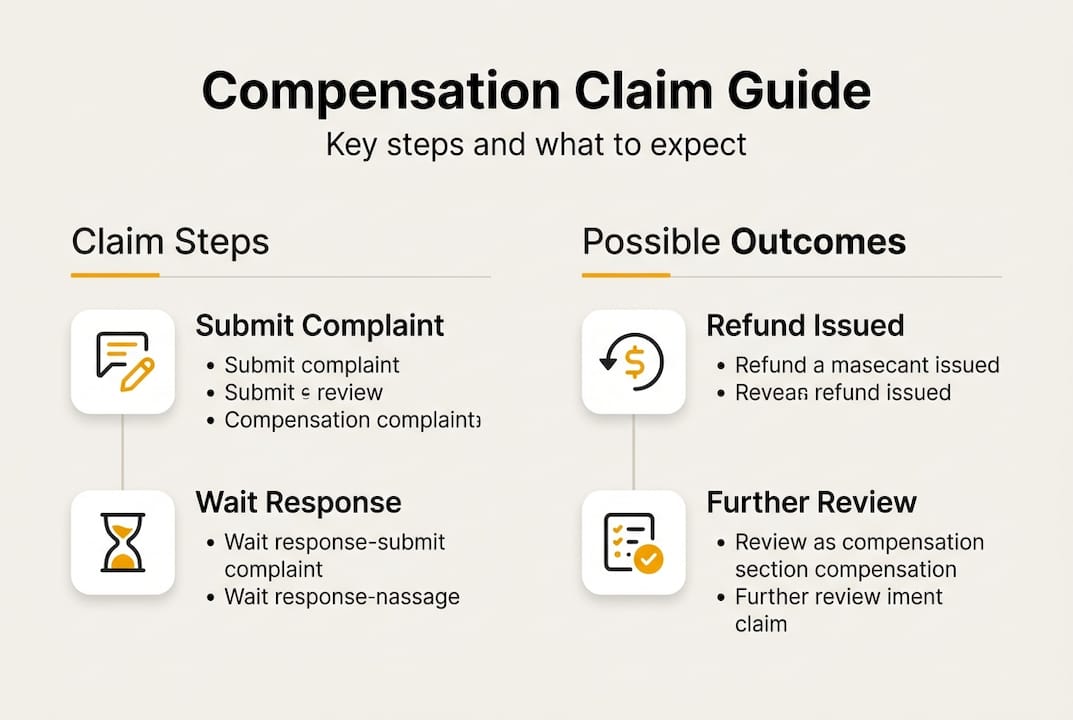
Here is a step-by-step overview:
The FCA has now confirmed a formal redress scheme. Agreements from April 2007 to November 2024 are covered, with the scheme running through to August 2026.

| Stage | Typical timeframe |
|---|---|
| Lender acknowledges complaint | Within 8 weeks |
| Lender issues final response | Up to 3 months |
| FOS referral decision | 6 to 12 months |
| FCA scheme full implementation | By August 2026 |
Pro Tip: Submit your complaint now rather than waiting for the scheme to fully launch. Early complaints are logged and may be processed faster once the scheme is operational.
You will need your lender’s name, the approximate start and end dates of your agreement, and the vehicle details if possible. Missing some of this information will not automatically bar you from claiming, but it helps.
This is the question most people want answered first. The honest answer is: it depends on your specific agreement, but the figures can be meaningful.
The FCA has developed a hybrid methodology for calculating payouts. For most cases, this involves applying a discount to the interest rate you were charged, typically in the range of 17 to 21 percentage points. For more serious cases where the commission was particularly high or the conduct especially harmful, full commission plus interest may be returned to the consumer.
Several factors influence your final figure:
| Scenario | Estimated payout range |
|---|---|
| Short agreement, low interest | £200 to £400 |
| Typical 3 to 4 year PCP deal | £700 to £830 |
| High-value or high-commission case | £1,000 or more |
“For higher-harm cases, consumers could receive a full refund of the commission paid plus interest, representing a significantly larger sum.”
It is also worth noting that many people over 30 took out several car finance agreements over the years. Each qualifying agreement is a separate potential claim. If you financed three cars between 2007 and 2024, you could have three separate payouts to recover.
The average figures quoted by the FCA are just that: averages. Your individual outcome could be higher or lower depending on the specifics of your agreement. The only way to know is to check.
Not every claim will succeed, and understanding the potential obstacles in advance will save you time and frustration.
Some agreements are excluded from the scheme entirely:
Certain claims are excluded, and vulnerable consumers may face additional barriers such as lost paperwork or difficulty navigating the complaints process. If you are in this situation, Citizens Advice and free financial guidance services can help.
Gathering evidence strengthens your case. Keep or request copies of your original finance agreement, any correspondence with the lender, and records of your monthly payments. Even partial documentation is better than none.
One of the most important warnings concerns claims management companies. Consumer groups argue that payouts are already too low for some consumers, and handing over 30% or more of your compensation to a CMC makes that worse. Many people can handle the complaint process themselves using free templates and guidance.
“You do not need to pay anyone to make this claim. The process is designed to be accessible to ordinary consumers.”
Pro Tip: Be cautious of unsolicited calls or texts offering to handle your claim for a fee. Legitimate claims can be made for free, and some of these contacts are outright scams targeting people who have seen news coverage of the scandal.
Finally, do not assume that because you cannot find your original paperwork, you have no case. Lenders are obliged to hold records and can be asked to supply them as part of your complaint.
Most guides on this subject tell you what to do. Fewer tell you what most people actually get wrong.
The biggest mistake we see is waiting. Many people assume the FCA scheme will simply send them a cheque automatically. It will not. You need to register a complaint to be considered. Those who act early are more likely to be processed promptly, while those who wait may face a backlog as the August 2026 deadline approaches.
Another overlooked point: you probably had more than one agreement. If you are over 30 and have owned several cars since 2007, each financed deal is a separate potential claim. The total compensation across multiple agreements could be considerably more than the average figures suggest.
On the question of DIY versus using a claims firm, the reality is straightforward. DIY complaints are free and effective; CMCs can charge over 30% of your payout in fees. For a £800 claim, that is £240 gone before you see a penny. The complaint letter itself is not complicated. A simple, factual letter to your lender is often all that is needed.
The scheme exists because the mis-selling was systemic and the regulator confirmed it. Your claim is not a long shot. It is a right.
If you have read this far, you already know more than most people about your rights under the FCA’s car finance redress scheme. The next step is simple: find out whether your specific agreements qualify.

At makeapcpclaim.co.uk, you can use the PCP claim eligibility checker to get a free, no-obligation assessment of your agreements in minutes. There are no upfront costs and no commitment required. With the scheme running to August 2026 and lender response windows already in motion, the sooner you check, the sooner you know where you stand. Do not let a time limit be the reason you miss out on money that is rightfully yours.
Anyone with an HP or PCP agreement between April 2007 and November 2024 that involved undisclosed commissions may be eligible. The FCA scheme covers most standard consumer agreements within this period.
Lenders are typically required to respond within 3 months, and the FCA scheme runs until August 2026, so timelines vary depending on when you submit.
Most people do not need one. DIY complaints avoid the 30% or more in fees that CMCs typically charge, and the process is accessible to most consumers without professional help.
Your finance agreement details are the most useful starting point. Lost paperwork will not always prevent a claim, but having your lender’s name and agreement dates will speed things up considerably.