490,000+ drivers found their agreements with us

If you took out a car on a PCP deal between 6 April 2007 and 1 November 2024, there is a real chance you were mis-sold and could be owed compensation. The FCA has confirmed three grounds for a claim: a discretionary commission arrangement (DCA), where the broker could raise your interest rate to earn more commission; unfairly high commission; or an undisclosed contractual tie between the dealer and lender. Your first step is simple: use Makeapcpclaim’s free agreement finder, which locates your finance agreements in under 60 seconds, or check your credit file via Equifax, Experian, or TransUnion to identify your lender.
Pro Tip: You do not need your original paperwork to start. Makeapcpclaim’s free finder can locate your agreement in under 60 seconds with no car registration required.
UK PCP owners with agreements from 6 April 2007 to 1 November 2024 may be eligible for compensation if a DCA, high commission, or undisclosed contractual tie applied to their finance.
| Point | Details |
|---|---|
| Eligibility window | Agreements between 6 April 2007 and 1 November 2024 on PCP or HP are in scope. |
| Three claim grounds | DCA, unfairly high commission, and undisclosed contractual ties are the FCA’s recognised mis-selling types. |
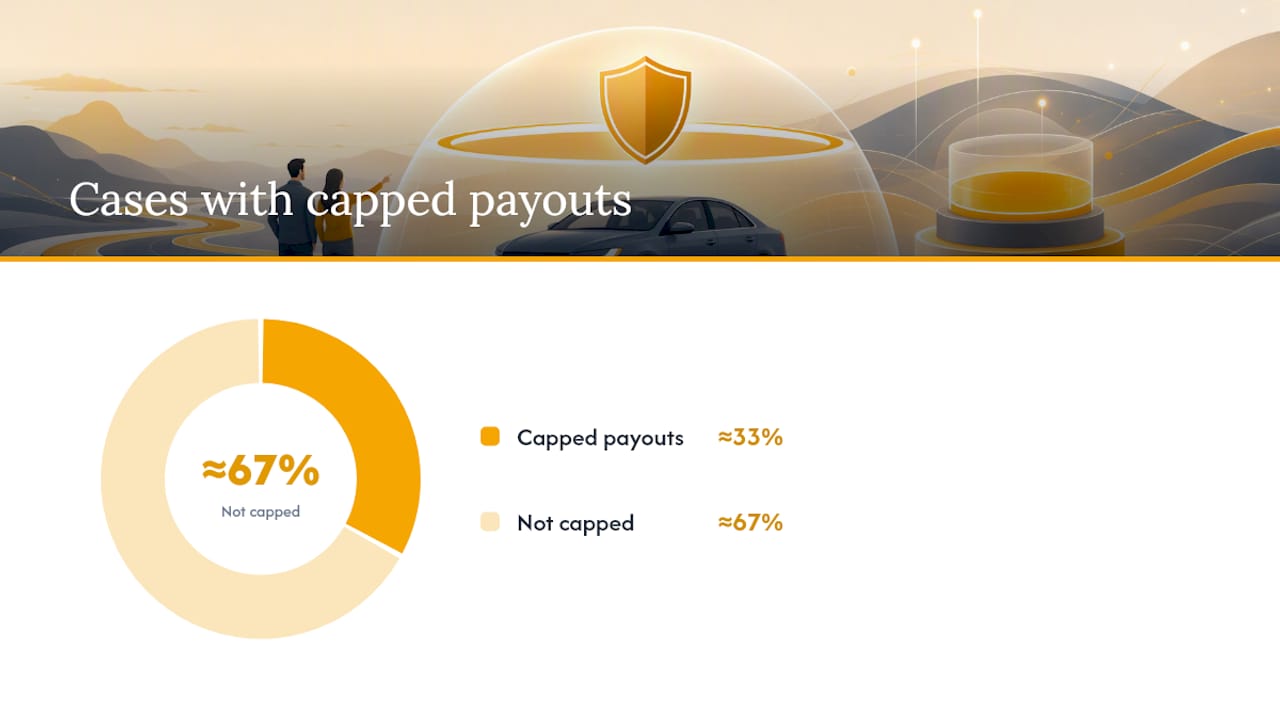
| FCA scheme scale | The FCA estimates 12.1 million agreements are eligible; caps apply in around 1 in 3 cases. |
| Complain now | Legal delays affect timing, not your right to claim — file your complaint today to preserve your position. |
| Makeapcpclaim finder | Makeapcpclaim locates your agreements free in under 60 seconds and refers eligible cases to regulated law firms. |
The eligibility window for the FCA’s motor finance redress scheme runs from 6 April 2007 to 1 November 2024. The FCA estimates 12.1 million agreements fall within scope. Here is what qualifies and what does not.
Agreement types covered:
The three mis-selling grounds:
Common exclusions:
Pro Tip: If you cannot find your old paperwork, do not assume you have no claim. Your lender is almost certainly traceable through your credit file or through Makeapcpclaim’s free finder.
The FCA’s diagnostic report on motor finance sets out the regulatory background on CONC disclosure rules and the prohibition on DCA models, which is the technical foundation for most DCA claims.
Many people struggle here, but it is more straightforward than it looks.
The Information Commissioner’s Office (ICO) provides guidance on your right to access personal data held by credit reference agencies, which can be useful if a lender disputes your identity or the agreement details.
Once you know your lender, collect as many of the following as you can. The Financial Ombudsman Service sets out the documents firms typically request:
You do not need every document to start. A credit agreement and bank statements are often enough to open a complaint.
Citizens Advice and the Financial Ombudsman both recommend the same basic sequence.
On legal delays: the FCA scheme has faced tribunal-ordered suspensions due to ongoing legal challenges. These affect the timing of payouts but do not remove your right to complain now. Filing a complaint today preserves your place in the queue. The escalation path, if needed, runs: lender → Financial Ombudsman Service → court (if you opt out of the FCA scheme).
The FCA’s policy statement PS26/3 sets out the full mechanics of how the redress scheme works and what firms are obliged to do.
The FCA estimates that roughly 12.1 million agreements are in scope. Compensation is calculated to put you in the position you would have been in had the mis-selling not occurred, which typically means a refund of the excess interest you paid, plus a minimum compensatory interest rate on top.
The FCA has capped payouts in around 1 in 3 cases to prevent consumers being better off than if they had been treated fairly from the outset.
The exact amount varies by agreement. Factors include the interest rate you were charged, the size of the loan, the term, and whether a DCA, high commission, or contractual tie applied. The FCA’s redress scheme rules set a floor on the compensatory interest rate, so even agreements with smaller values can produce a meaningful payout.
What affects your specific outcome:
These figures are averages and subject to change as legal challenges progress. Treat any estimate as indicative until your lender or a regulated law firm reviews your specific agreement.
The volume of publicity around car finance claims has attracted fraudsters. Protect yourself.
MoneyHelper is clear: you can complain to your lender yourself for free, and in straightforward cases that is the right starting point. Regulated legal representation becomes genuinely useful when a lender refuses a reasonable settlement, when your case involves multiple agreements or complex commission structures, or when time limits are approaching.
Pro Tip: Use the ICO’s guidance on subject access requests if a lender claims it cannot locate your agreement. You have a legal right to the data they hold about you.

Most people delay their claim because they cannot remember who their lender was or where their paperwork is. Makeapcpclaim removes that barrier. The free agreement finder locates your car finance agreements in under 60 seconds, with no car registration, no lender name, and no original documents required. It covers all agreements since 2007 across PCP, HP, and other vehicle finance.
Here is how it works. The finder identifies your agreements and checks likely eligibility. If your case looks eligible, Makeapcpclaim refers it to a regulated law firm partner who handles the claim on your behalf, fully hands-off. You pay nothing to find out whether you are eligible. Makeapcpclaim earns a referral fee from its regulated legal partners, not from you.
Start your free eligibility check now and expect initial contact from a law firm partner within a short time of referral.
The claims that move fastest share one thing: the claimant had at least one document to hand when they first contacted their lender. An IDD or a single bank statement showing the lender’s name is often enough to open a formal complaint and start the clock on the lender’s response window.
The most common gap is the IDD. Many consumers were never given one, which is itself evidence of a disclosure failure. When that document is missing, a subject access request to the lender usually confirms it was never issued.
Legal suspensions have created administrative delays across the industry. Some lenders are holding final responses pending the outcome of ongoing court proceedings. That is frustrating, but it does not mean your complaint is going nowhere. A complaint filed today sits in the queue; one filed in six months does not. The FCA has been explicit that consumers should keep complaints active regardless of the legal timeline.
This article is general information only, not legal or financial advice. Confirm current rules with the FCA, Financial Ombudsman Service, or a regulated legal professional before acting.